
Foreword
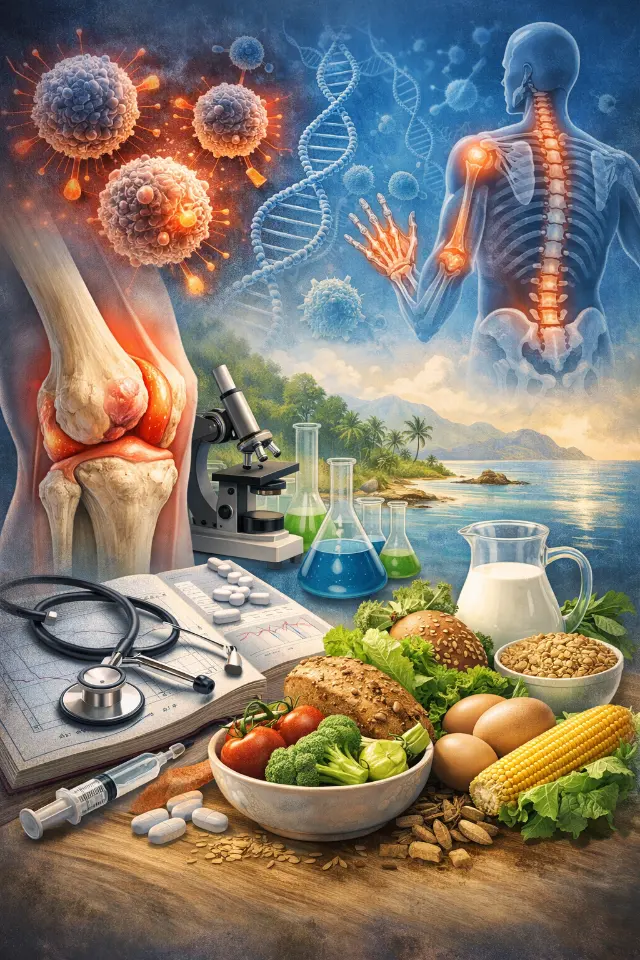
Inflammation is a normal reaction of the body, a kind of protective shield activated in response to assaults. But when it becomes chronic, this shield turns into an internal fire, invisible but destructive. This fire silently smolders in our tissues, weakens our organs and opens the way to serious diseases: diabetes, cardiovascular disorders, neurodegenerative diseases or certain cancers.
Unlike a visible injury, chronic inflammation operates in the shadows. It does not always show clear symptoms, but maintains a state of permanent imbalance. This is why researchers call it the “silent threat” of the twenty-first century.
Faced with this challenge, modern science meets ancient wisdom: food can be a therapeutic tool. The book Cuisiner pour guérir (Cooking to Heal) popularized this idea by showing that every recipe can become an act of care. Eating is not merely nourishing oneself: it is also repairing oneself, soothing inflammation and strengthening natural defenses.
This philosophy inspires our approach: adapting the principles of hypotoxic nutrition to Moroccan culinary traditions. Our tagines, salads and soups, prepared with gentle cooking and natural spices, become valuable allies in calming this inner fire.
Hypotoxic nutrition rests on a simple principle: reduce foods that sustain inflammation and favor those that fight it. It relies on fresh, local products rich in fiber, antioxidants and protective fatty acids. It values slow cooking and natural seasonings, in harmony with traditional cuisine.
This booklet proposes a journey: understanding chronic inflammation, discovering its mechanisms and, above all, learning to prevent it through food. Every page invites us to turn eating habits into acts of health, in the spirit of Cuisiner pour guérir (Cooking to Heal).
Understanding chronic inflammation
- The main causes
Chronic inflammation does not arise by chance. It often results from a combination of factors that add up and maintain a state of imbalance in the body:
- Persistent infections: some viruses or bacteria can remain active for a long time and maintain an inflammatory reaction.
- Pollution and toxins: tobacco, alcohol, pesticides and heavy metals assault our cells.
- Industrial food: excess refined sugars, saturated fats and chemical additives.
- Chronic stress and lack of sleep: the body can no longer regenerate.
- Sedentary living: lack of movement slows circulation and promotes inflammation.
- Autoimmune diseases: the immune system attacks its own tissues.
- Pathophysiological mechanisms
Biologically, chronic inflammation acts like an ember that never goes out:
- Pro-inflammatory cytokines: continuously released, they sustain the reaction.
- Oxidative stress: free radicals accumulate and damage cells.
- Intestinal weakening: the digestive barrier becomes permeable, allowing toxins and bacteria into the blood.
- Progressive deterioration: organs become exhausted and lose optimal function.
- A silent threat
What makes chronic inflammation particularly dangerous is its discreet nature. It does not always cause visible symptoms, but acts deep within. People can live for years with latent inflammation without knowing it, until it manifests as a serious disease.
- Subtle signs of chronic inflammation
- Persistent fatigue despite rest.
- Diffuse or joint pain without a clear cause.
- Recurring digestive disorders (bloating, diarrhea, constipation).
- Frequent headaches.
- Increased susceptibility to infections.
- Difficulty concentrating or impaired memory.
Diseases associated with chronic inflammation
- Fertile ground for diseases
When inflammation becomes chronic, it acts as fertile ground in which many conditions develop. It is not a disease in itself, but a mechanism that weakens the body and opens the door to serious disorders.
- Cardiovascular diseases: atherosclerosis, hypertension and heart attack. Inflammatory cytokines promote plaque deposition in arteries.
- Type 2 diabetes and obesity: inflammation disrupts insulin sensitivity and sustains metabolic resistance.
- Neurodegenerative diseases: Alzheimer's and Parkinson's are now being studied as conditions in which inflammation plays a triggering role.
- Autoimmune diseases: rheumatoid arthritis, lupus and multiple sclerosis. The immune system becomes overactive and attacks its own tissues.
- Digestive diseases: Crohn's disease and ulcerative colitis. Weakening of the intestinal barrier sustains local and systemic inflammation.
- Certain cancers: chronic inflammation creates an environment conducive to mutation and cell proliferation.
- A silent story
Imagine someone suffering from persistent fatigue and diffuse joint pain. For years, they think these are signs of aging or stress. In reality, chronic inflammation operates in the background, preparing the ground for an autoimmune or metabolic disease. This scenario illustrates the difficulty of detecting this threat before it manifests as an established condition.
- The role of the intestinal microbiota
The microbiota, the billions of bacteria populating our intestine, plays a key role in regulating inflammation.
- A balanced microbiota protects the intestinal barrier and limits toxins passing into the blood.
- An unbalanced microbiota (dysbiosis) promotes intestinal permeability and systemic inflammation.
Fiber-rich foods, legumes, varied vegetables and natural probiotics (such as fermented vegetables) help restore this balance.
Caring for the microbiota through hypotoxic nutrition is thus an essential strategy for preventing diseases linked to chronic inflammation.
Methods of prevention
- Acting every day
Chronic inflammation is not inevitable. It can be prevented and alleviated through simple actions integrated into everyday life. Prevention rests on a global approach: physical activity, sleep, stress management, toxin reduction and, above all, hypotoxic nutrition.
- Regular physical activity: walking, swimming, yoga or cycling. Movement stimulates circulation and reduces inflammation.
- Restorative sleep: quality sleep allows the body to regenerate and calm inflammatory reactions.
- Stress management: meditation, deep breathing, prayer or moments of relaxation. Chronic stress sustains inflammation; we must learn to defuse it.
- Reducing environmental toxins: limit tobacco, alcohol and pesticides, and favor natural products.
- Medical approaches: anti-inflammatory drugs, antioxidants and targeted therapies, always under medical supervision.
- Food as the central pillar
Among these methods, hypotoxic nutrition occupies an essential place. It acts directly on inflammatory mechanisms by reducing pro-inflammatory foods and favoring those that soothe the body. It is an everyday, lasting strategy accessible to everyone.
- 5 everyday actions to reduce inflammation
- Drink water regularly: hydration helps eliminate toxins.
- Walk 30 minutes a day: even gentle walking stimulates circulation.
- Breathe deeply: a few minutes of conscious breathing reduce stress.
- Eat colorfully: every meal should contain varied vegetables rich in antioxidants.
- Go to bed early: respecting the body's natural rhythm promotes regeneration.
These simple actions, repeated daily, become a true way of life. They do not replace medical treatments, but strengthen the body and reduce the inflammatory terrain. By combining activity, rest, stress management and adapted nutrition, everyone can regain control of their health.
Hypotoxic nutrition
- Foods to avoid
Some foods directly sustain inflammation and should be reduced or removed:
- Industrial products rich in additives and preservatives.
- Refined sugars and white flours.
- Industrial dairy products.
- Processed meats or meat from intensive farming.
- Potatoes, often too rich in starch and difficult to digest.
- Foods to favor
By contrast, hypotoxic nutrition emphasizes fresh, natural products:
- Farm eggs: a source of quality proteins.
- Oily fish (sardines, mackerel, salmon): rich in anti-inflammatory omega-3.
- Varied vegetables: carrots, zucchini, eggplants and beets, rich in fiber and antioxidants.
- Fresh fruit: a supply of vitamins and protective polyphenols.
- Virgin oils (olive, flaxseed, rapeseed): sources of good fatty acids.
- Legumes: chickpeas, lentils and beans.
- Nuts and seeds: almonds, walnuts, flaxseeds or sesame seeds.
- Protective cooking methods
Cooking plays an essential role:
- Gentle steaming: preserves nutrients.
- Simmering: allows flavors and spices to spread without excessive heat.
- Low-temperature oven cooking: avoids the formation of toxic compounds.
- Anti-inflammatory spices
Hypotoxic cooking values natural spices:
- Turmeric: a powerful anti-inflammatory.
- Ginger: stimulates digestion and reduces pain.
- Coriander and cumin: soothe and enrich dishes.
- Practical tip
How can a traditional recipe be adapted into a hypotoxic version? Take couscous as an example:
- Replace wheat semolina with chickpea semolina or quinoa.
- Use varied, colorful vegetables, gently steamed.
- Add chickpeas and grilled sardines to increase proteins and omega-3.
- Season with olive oil and turmeric to strengthen the anti-inflammatory effect.
Moroccan and hypotoxic cooking
- The richness of our tradition
Moroccan cuisine is naturally rich in dishes that respect the principles of hypotoxic nutrition. Tagines, salads and soups, prepared with fresh vegetables, local fish and generous spices, offer an ideal base for soothing chronic inflammation.
- Vegetable tagine: carrots, zucchini, eggplants, tomatoes and peppers gently simmered with olive oil and turmeric.
- Fish tagine: local sardines or mackerel, rich in omega-3, cooked with tomatoes, coriander and peppers.
- Herb omelets: farm eggs scented with parsley, coriander and cumin.
- Fresh salads: tomatoes, beets and grated carrots, dressed with flaxseed or olive oil.
- Adapted soups: harira reimagined without industrial meat, enriched with legumes and anti-inflammatory spices.
- Alternative breads: flatbreads made with chickpea or coconut flour to replace white bread.
- Hypotoxic desserts: local fruit compotes, sweet potato creams or light mousses made with mild vegetables.
- A culinary philosophy
These dishes are more than recipes: they become therapeutic actions. As emphasized in Cuisiner pour guérir (Cooking to Heal), cooking can be a form of gentle medicine. Every carefully chosen ingredient, every cooking method respectful of nutrients and every natural seasoning is a way of caring for oneself.
By adapting this philosophy to the richness of our culinary heritage, we turn everyday meals into allies against chronic inflammation. Moroccan cuisine, with its flavors and colors, becomes a bridge between pleasure and health.
Conclusion
Chronic inflammation is a silent threat, but it can be soothed. By adopting hypotoxic nutrition inspired by our traditions and following the spirit of our book Cuisiner pour guérir (Cooking to Heal), everyone can turn their plate into a tool for prevention and healing.
This booklet invites us to rediscover our dishes, adapt them and experience them as gentle medicine.
Eating to nourish ourselves, but also to repair ourselves.