
Foreword
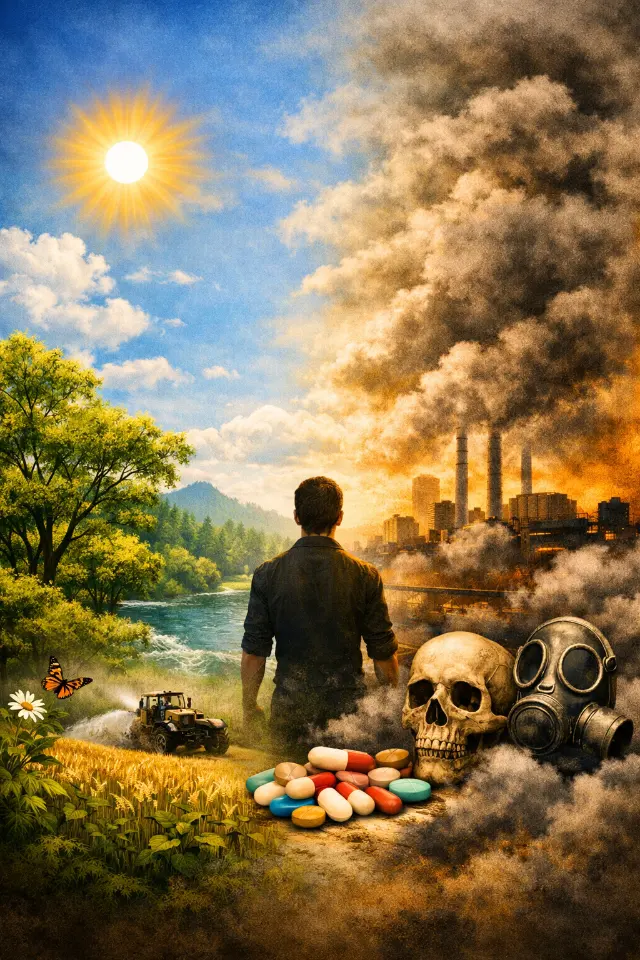
Health and the environment are two sides of the same reality: what harms the Earth always ends up affecting humans. The air we breathe, the water we drink, the soil that feeds us, the light that illuminates us and the emotions we experience all contribute to our balance or imbalance. Understanding these interactions means learning to protect ourselves, prevent illness and live in harmony with the living world. Invisible threats are not inevitable: they are warning signals, calls to awareness. Radiation, pollutants, stress and dietary imbalances are challenges that science and wisdom must confront together.
The Family Clinic approach connects preventive medicine to ecology and restores food to the heart of care. This booklet invites a different way of looking: perceiving invisible threats not as fear, but as an opportunity for transformation. Every chapter explores an aspect of this intimate relationship between humans and their environment: light, air, water, soil, behaviors and emotions. By observing them clearly, we rediscover prevention's original meaning: acting before illness, cultivating vitality and protecting life.
Radiation
Light is a source of life. Without it, no plant would grow and no biological cycle would take place. But this same light, when excessive or poorly managed, can become a silent assault. Radiation—whether solar, medical or technological—passes through our daily lives without our always being aware of it.
- Natural radiation
The sun, the primary energy generator, offers us warmth, vitamin D and psychological balance. Yet its ultraviolet radiation, when it exceeds tolerance thresholds, damages the skin, eyes and immune system. Sensible exposure, skin protection and an antioxidant-rich diet form the first defenses against these effects.
- Artificial radiation
X-rays, CT scans, electromagnetic waves and atomic radiation are part of our medical and technological environment. Used with discernment, they save lives; poorly controlled, they can disrupt cells and accelerate tissue aging. Prevention rests on moderation, distance and limiting unnecessary exposure.
- Connection with hypotoxic nutrition
Faced with these invisible assaults, the body needs biological support. Hypotoxic nutrition, rich in fresh plant foods, natural oils and antioxidants, helps neutralize free radicals produced by radiation. Carotenoids, vitamin E, selenium and polyphenols strengthen natural defenses and promote cell repair. Every meal thus becomes an act of protection: a gentle way of restoring balance between energy and health.
Climatic and physical factors
The human body is a marvel of adaptation. Since its origins, it has learned to live under a burning sun, in freezing cold, amid tropical humidity or at heights where the air grows thin. These climatic and physical factors shape our vital functions: breathing, circulation, thermoregulation and immunity. But when conditions become extreme or prolonged, balance is broken and health is threatened.
- Cold and heat
Cold stimulates circulation and strengthens resistance; heat promotes relaxation and elimination. But an excess of either causes disorders: chilblains, dehydration and cardiovascular problems. The body constantly seeks to maintain its internal temperature: this is the principle of homeostasis. An adapted diet—rich in plant foods, mineral salts and good fats—supports this natural regulation.
- Humidity and dryness
Excessive humidity promotes respiratory infections and joint pain; dryness irritates mucous membranes and dehydrates the skin. The body responds through adaptive mechanisms: sweating, secretion and elimination. Hypotoxic foods, rich in biological water (fruit, raw vegetables and light soups), help maintain cellular hydration and balance internal fluids.
- Altitude and pressure
At altitude, the air grows thin; the heart and lungs work harder. At low altitude, atmospheric pressure influences circulation and blood pressure. These variations require gradual acclimatization and nutrition that supports oxygenation: plant-derived iron, chlorophyll, antioxidants and essential fatty acids.
- Adaptation and prevention
The human body is not fragile: it is intelligent. It adapts, regulates itself and repairs itself. But this capacity depends on the quality of the internal environment—what we breathe, drink and eat. By reducing metabolic waste and promoting cellular vitality, hypotoxic nutrition becomes a valuable ally against climatic variations. It allows us to pass through the seasons without disruption, strengthen natural resistance and preserve vital energy.
Air pollutants
Air is our first food. Before we even drink or eat, we breathe. Every inhalation connects our body to the environment: it carries oxygen, but also particles, gases and invisible substances circulating around us. When air becomes laden with pollutants, it becomes a silent vehicle of imbalance.
- Sources of pollution
Atmospheric pollutants come from many sources: industrial combustion, vehicle traffic, volatile pesticides, domestic heating, but also household products and synthetic fragrances. Fine particles, nitrogen oxides and volatile organic compounds penetrate deep into the airways, irritate mucous membranes and alter immune function. Over the long term, they promote respiratory, cardiovascular and metabolic diseases.
- Indoor air
We spend more than 80% of our time indoors. Yet air in homes and offices can be more polluted than street air. Paints, glues, plastics, detergents and synthetic textiles release harmful substances. Airing rooms daily, choosing natural materials and limiting domestic chemicals are simple but essential actions.
- Effects on the body
The lungs filter, but cannot trap everything. Ultrafine particles cross membranes and reach the blood, causing inflammation and oxidative stress. The nervous and hormonal systems respond to these invisible assaults, sometimes through chronic fatigue, irritability or reduced concentration. Conscious breathing, walking outdoors and purifying indoor spaces with plants restore balance.
- Connection with hypotoxic nutrition
Faced with air pollutants, the body needs antioxidant and detoxifying support. Hypotoxic foods—rich in chlorophyll, fiber, vitamins C and E, and essential fatty acids—help neutralize free radicals and strengthen lung capacity. Green vegetables, citrus fruits, turmeric, ginger and pure plant oils promote cell regeneration and ease of breathing. Breathing better also begins with eating better.
Water pollutants
Water is the matrix of life. It circulates in our cells, irrigates our organs, carries nutrients and removes waste. But this original purity is now threatened: chemical, biological and plastic pollutants alter its quality and disrupt vital balances. This chapter explores the effects of these invisible contaminations and ways to restore healthy water.
- Sources of pollution
Industrial, agricultural and domestic discharges are the main causes of contamination. Heavy metals, nitrates, pesticides and microplastics seep into groundwater and rivers. Even tap water, though monitored, may contain pharmaceutical residues or traces of chlorine. Every drop reflects our production and consumption patterns.
- Biological pollutants
Bacteria, viruses and parasites proliferate in stagnant or poorly treated water. They cause digestive, skin or respiratory infections. Health vigilance, filtration and gentle disinfection (activated carbon, clay and purifying plants) are essential actions for preserving the microbiological quality of water.
- Effects on the body
Polluted water overloads the liver, kidneys and lymphatic system. Toxins accumulate, disrupt cellular exchanges and promote chronic inflammation. The skin, the first contact organ, often reveals the signs: dryness, irritation and loss of radiance. Drinking pure water means nourishing inner life and supporting elimination functions.
- Connection with hypotoxic nutrition
Water and food are inseparable. Fresh plant foods, rich in biological water, complement hydration and contribute to natural detoxification. Green juices, light soups and watery fruits (melon, watermelon and cucumber) promote drainage and cell regeneration. Hypotoxic nutrition reduces the overall toxic load and helps the body make better use of the water it receives.
- Prevention and awareness
Preserving water means preserving health. Every action counts: avoiding chemicals, reducing plastics, choosing natural filters and supporting local sources and short supply chains. Pure water is a shared heritage; it connects humans to the earth and life. Ecological awareness begins with a glass of water—the one we drink every day.
Soil pollutants
Soil is the Earth's skin. It nourishes plants, filters water and shelters microorganisms essential to life. But this living skin is being damaged: chemical pollutants, heavy metals, plastics and synthetic fertilizers alter its structure and destroy its fertility.
- Sources of pollution
Pesticides, nitrogen fertilizers, hydrocarbons and industrial waste accumulate in the earth. They change its pH, kill beneficial bacteria and block nutrient absorption by roots. Even rural areas, once protected, suffer atmospheric fallout and infiltration by contaminated water. Soil then becomes a reservoir of toxins that travel all the way to our plates.
- Effects on the food chain
Plants absorb what the soil contains. When it is polluted, vegetables and fruit concentrate chemical residues. These substances accumulate in the human body, disrupt the hormonal system and promote chronic inflammation. Soil health is therefore directly linked to human health: sick soil produces sick food.
- Loss of microbial life
Beneath our feet, billions of microorganisms work to recycle organic matter. They turn dead leaves into humus, release minerals and protect roots. Pollution destroys this invisible life, leaving sterile, compact, breathless earth. Restoring soil biodiversity means giving the Earth back its healing capacity.
- Connection with hypotoxic nutrition
Hypotoxic nutrition rests on respect for living things. Choosing products from healthy, untreated soils means preserving the biological purity of foods. Root vegetables, legumes and whole grains grown without chemical fertilizers provide bioavailable minerals and stable energy.
- Prevention and regeneration
Protecting soil means protecting life at its source. Reducing chemicals, recycling organic matter, planting trees and encouraging permaculture are public health actions. Every seed sown in living earth is an act of prevention. Soil is our collective memory: it retains traces of our excesses, but also of our efforts to heal it.
Substances and behaviors
Health depends not only on what we breathe or eat, but also on what we choose. Our behaviors, habits and voluntary exposures shape our inner balance. Chemicals, medicines, stimulants and addictions are all factors influencing the body's vitality and the mind's clarity.
- Chemical and medicinal substances
Modern medicine has brought considerable progress, but also growing dependence on synthetic molecules. Medicines, when misused or consumed unnecessarily, overload the liver and disrupt intestinal flora. Cosmetics, solvents and household products contain compounds that penetrate the skin and accumulate in tissues. Vigilance and chemical restraint have become acts of prevention.
- Stimulants
Coffee, tea, sugar, tobacco, alcohol and now energy drinks: all substances that alter the body's natural rhythm. They provide immediate energy but exhaust reserves over the long term. Constantly called upon, the nervous system loses its capacity for self-regulation. Relearning to listen to fatigue, respect sleep and favor natural energy from living foods is a form of gentle medicine.
- Addictions and dependencies
Addiction is not only chemical; it can be behavioral: screens, work, emotions and speed. Every dependency reflects an inner imbalance, a search for compensation. Prevention involves awareness: recognizing the need, understanding its origin and restoring the connection with the body and nature. Breathing, walking, meditation and hypotoxic nutrition are powerful tools for restoring inner freedom.
- Connection with hypotoxic nutrition
Hypotoxic nutrition acts as a gentle cleansing of body and mind. By reducing stimulants, refined sugars and saturated fats, it calms the nervous system and promotes mental clarity. Fresh plant foods, seeds, natural oils and magnesium-rich foods support detoxification and emotional stability. Eating healthily also means thinking healthily.
Biological agents
Life is a fragile balance between coexisting organisms. Bacteria, viruses, fungi and parasites are all part of the living world. Some protect us; others threaten us. Biological agents are invisible, but their effects are very real: they influence our immunity, digestion, energy and sometimes mood.
- Pathogenic microorganisms
Viruses and pathogenic bacteria spread through air, water, food or direct contact. They cause acute or chronic infections, often encouraged by fatigue, stress or an unbalanced diet. Prevention rests on hygiene, judicious vaccination and strengthening natural defenses. A well-nourished, balanced body better resists biological assaults.
- Protective flora
Not all bacteria are enemies. Intestinal, skin and respiratory flora form a living barrier against pathogens. Natural probiotics, plant fibers and fermented foods sustain this symbiosis. When flora is destroyed by antibiotics or toxins, the terrain becomes vulnerable: restoring this balance is a priority.
- Mutations and resistance
Excessive antibiotic and disinfectant use encourages resistant strains to emerge. These microorganisms adapt, mutate and become harder to control. Modern medicine must combine effectiveness and caution: treating without destroying, protecting without weakening. Prevention involves moderation and respect for microscopic life.
- Connection with hypotoxic nutrition
Hypotoxic nutrition supports natural immunity. Fresh plant foods, pure oils, seeds and antiseptic spices (turmeric, garlic, ginger and thyme) strengthen defenses and limit microbial proliferation. Fiber nourishes intestinal flora, while antioxidants reduce infection-related inflammation. Eating healthily also means cultivating biological resistance.
Food pollutants and additives
Modern food, supposed to nourish and protect, has become one of the main vehicles of internal pollution. Beneath the appearance of variety and convenience hide invisible substances: additives, preservatives, colorings, flavor enhancers, pesticides and plastic residues. These compounds alter foods' biological quality and disrupt the body's natural regulatory mechanisms.
- Food additives
Additives are designed to improve products' texture, color or preservation. But many of them (nitrates, phosphates, glutamates and sweeteners) alter enzymatic reactions and overload the liver. Some disrupt the intestinal microbiota; others artificially stimulate appetite. Vigilance means reading labels, favoring unprocessed products and reducing ultra-processed foods.
- Chemical residues
Pesticides, herbicides and fungicides used in conventional agriculture end up in fruit, vegetables and grains. Even at low doses, their accumulation in the body promotes hormonal disorders and chronic inflammation. Washing is not always enough: only agriculture respectful of soil and living things guarantees truly healthy food.
- Packaging and microplastics
Food plastics release particles and endocrine disruptors, especially when heated. Microplastics, now present in water, salt and fish, enter the body and settle there. Their long-term impact on cells and the hormonal system is still poorly understood, but already concerning.
- Connection with hypotoxic nutrition
Hypotoxic nutrition is a direct response to this invisible pollution. It favors fresh, local, unprocessed products from living soils and responsibly managed agriculture. Gentle cooking, virgin oils, raw or lukewarm vegetables and natural seasonings preserve nutrients and limit the formation of toxic compounds. Every meal becomes an act of prevention, a conscious choice for health and the planet.
Emotional and psychological pollutants
Invisible threats do not come only from outside. They also arise within us: in our thoughts, emotions and accumulated tensions. Stress, fear, anger, guilt and sadness are psychological pollutants that harm health as much as chemical toxins. They alter breathing, digestion, sleep and immunity. Body and mind are not separate: they constantly interact, and every emotional imbalance leaves a biological imprint.
- Chronic stress
Stress is a natural survival response. But when permanent, it exhausts the adrenal glands, disrupts hormones and weakens the immune system. The body remains on alert, unable to regenerate. Learning to slow down, breathe and reconnect with nature is a form of preventive medicine.
- Repressed emotions
Emotions we do not acknowledge become imprinted in the body. They manifest as muscle tension, digestive disorders or unexplained pain. Welcoming them without judgment and expressing them gently releases vital energy. Speaking, writing, creating and meditation are paths to inner purification.
- Toxic thoughts
Fear of the future, guilt about the past and constant comparison are thoughts that poison inner peace. They sustain psychological inflammation and divert attention from the present. Cultivating gratitude, kindness and mental simplicity restores clarity and joy.
- Connection with hypotoxic nutrition
Food directly influences emotional state. Refined sugars, stimulants and saturated fats intensify irritability and nervous fatigue. Conversely, living foods rich in magnesium, omega-3 and antioxidants calm the nervous system and promote serenity. Eating healthily means nourishing inner peace as much as the body.
Conclusion
Throughout this booklet, we have explored the invisible threats weighing on our environment and health. Radiation, pollutants, biological agents, emotions and behaviors are subtle forces shaping our inner balance. But behind every threat lies a possibility for transformation. Understanding is already acting; acting is already healing.
Health is more than the absence of disease: it is a state of harmony between body, mind and nature. It arises from awareness, respect for living things and choosing simplicity. Every breath, meal and action can become an act of prevention and gratitude. The medicine of the future will be one of shared responsibility: connecting humans to the Earth, science to wisdom and technology to compassion.
The Family Clinic approach belongs to this global vision: it does not separate care from lifestyle, or biology from ecology. It invites a medicine of clarity, based on knowledge, prevention and kindness. It reminds us that healing often begins with a change of perspective: seeing the world not as a threat, but as a partner in life.
This booklet is not an ending, but an opening. An invitation to continue reflecting, observing, experimenting and sharing. Health is a journey, not a fixed state. And on this journey, every conscious step brings us closer to light, peace and vitality.