
Foreword
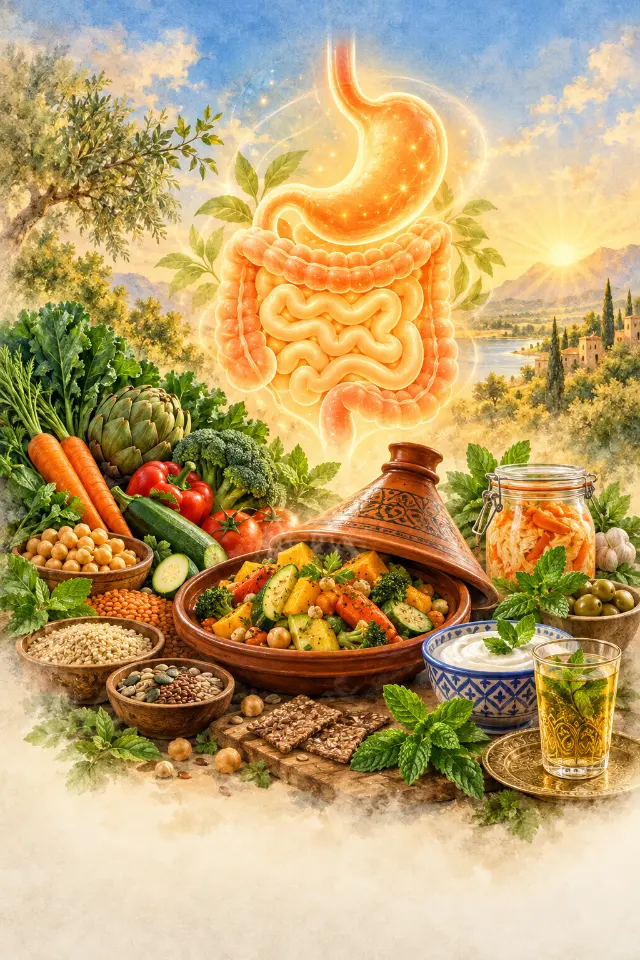
The digestive system plays a central role in how the body functions. Far more than a simple organ responsible for breaking down food, it takes part in nutrient assimilation, immune protection, metabolic balance and even psychological health.
Many people regularly suffer from bloating, a feeling of heaviness after meals, abdominal pain, reflux, constipation or irregular bowel movements. These discomforts are often considered benign, yet they can considerably impair quality of life.
The Family Clinic approach considers digestive health to be one of the foundations of general well-being. Harmonious digestion promotes better energy, better immunity, better emotional balance and better assimilation of the nutrients essential to health.
Taking care of your digestive system is therefore not just a matter of comfort, but an essential step in prevention.
Why is digestion so important?
The digestive system performs several vital functions:
- Transforming food into absorbable nutrients
- Absorbing vitamins and minerals
- Eliminating waste
- Protecting against pathogens
- Regulating certain hormones
- Communicating with the brain
Disrupted digestion can have repercussions throughout the body.
The role of the gut microbiota
The intestine is home to several billion microorganisms that make up the gut microbiota.
This true ecosystem takes part in:
- Digestion
- The production of certain vitamins
- Immune regulation
- Protection against unwanted microbes
- Communication with the brain
When the balance of the microbiota is disrupted, various problems can appear:
- Bloating
- Bowel irregularity
- Fatigue
- Chronic inflammation
- Increased digestive sensitivity
Preserving a diverse microbiota is one of the major goals of digestive health.
The main everyday digestive problems
Bloating
Bloating corresponds to an excessive buildup of digestive gas that can cause a feeling of abdominal swelling.
Constipation
Slow transit promotes digestive discomfort and can disrupt the natural elimination of waste.
Gastroesophageal reflux
The backflow of stomach contents into the esophagus can cause burning and discomfort after meals.
Slow digestion
It shows up as a feeling of heaviness after meals, sometimes accompanied by fatigue.
Irregular bowel movements
Alternating between constipation and loose stools often reflects a functional digestive imbalance.
Factors that disrupt digestion
Eating too fast
Eating quickly reduces the effectiveness of chewing and makes the work of digestion harder.
Stress
The digestive system is particularly sensitive to emotions and psychological tension.
Ultra-processed foods
They are often low in fiber and high in additives that can disturb intestinal balance.
Insufficient hydration
Inadequate hydration frequently slows transit.
A sedentary lifestyle
Physical activity contributes to good digestive function.
Eating well to digest better
A diet that supports digestive health is based on simple, minimally processed foods.
Foods to favor
- A variety of vegetables
- Fresh fruit
- Well-tolerated legumes
- Aromatic herbs
- Good-quality olive oil
- Nuts
- Seeds
These foods provide fiber that is essential for the microbiota and for transit.
Foods to limit
- Ultra-processed products
- Excess refined sugars
- Excess fried foods
- Excess alcohol
- Large amounts of carbonated drinks
The importance of chewing
Digestion begins in the mouth.
Chewing slowly helps:
- Ease the work of the stomach
- Improve digestion
- Reduce bloating
- Increase the feeling of fullness
Taking the time to eat is one of the simplest ways to improve digestion.
Water: an ally for transit
Water is involved in many digestive mechanisms:
- Formation of digestive secretions
- Softening of stools
- Transport of nutrients
- Elimination of waste
It is generally recommended to drink regularly throughout the day.
Moving to digest better
Physical activity promotes:
- Intestinal transit
- Blood circulation to the digestive organs
- Weight control
- Stress reduction
Walking after meals is a particularly beneficial habit.
The link between the gut and the brain
Scientists now speak of the gut–brain axis.
The gut and the brain are in constant communication.
This relationship explains why:
- Stress can cause digestive problems.
- Digestive problems can influence mood.
- The balance of the microbiota contributes to psychological well-being.
Taking care of your digestion also helps preserve your emotional balance.
The Family Clinic protocol for good digestive health
- Eat slowly and in a calm setting.
- Chew your food thoroughly.
- Eat vegetables and fruit every day.
- Favor minimally processed foods.
- Stay sufficiently hydrated.
- Move every day.
- Reduce chronic stress.
- Respect your natural hunger and fullness signals.
- Avoid overeating.
- Get enough sleep.
Practical tips to apply starting today
- Start meals with a salad or well-tolerated raw vegetables.
- Avoid screens during meals.
- Take a 15- to 20-minute walk after lunch or dinner.
- Drink water regularly.
- Keep mealtimes as regular as possible.
- Gradually cut down on ultra-processed foods.
These simple measures often bring a rapid improvement in digestive comfort.
Conclusion
Good digestion is one of the foundations of health and well-being. It promotes better assimilation of nutrients, a better-balanced microbiota and a better quality of life. Eating habits, physical activity, stress management and respect for biological rhythms play an essential role in this balance.
According to the Family Clinic approach, improving your digestive health is often one of the first steps toward more harmonious overall health.
Further reading
Also discover the booklets:
- Sleep well to live better
- Managing stress naturally
- Restoring your energy naturally
- Nutrition and mood
- A complete guide to well-being: the Family Clinic approach
and the book “Cooking to Heal” (2026) from Family Clinic Editions.