
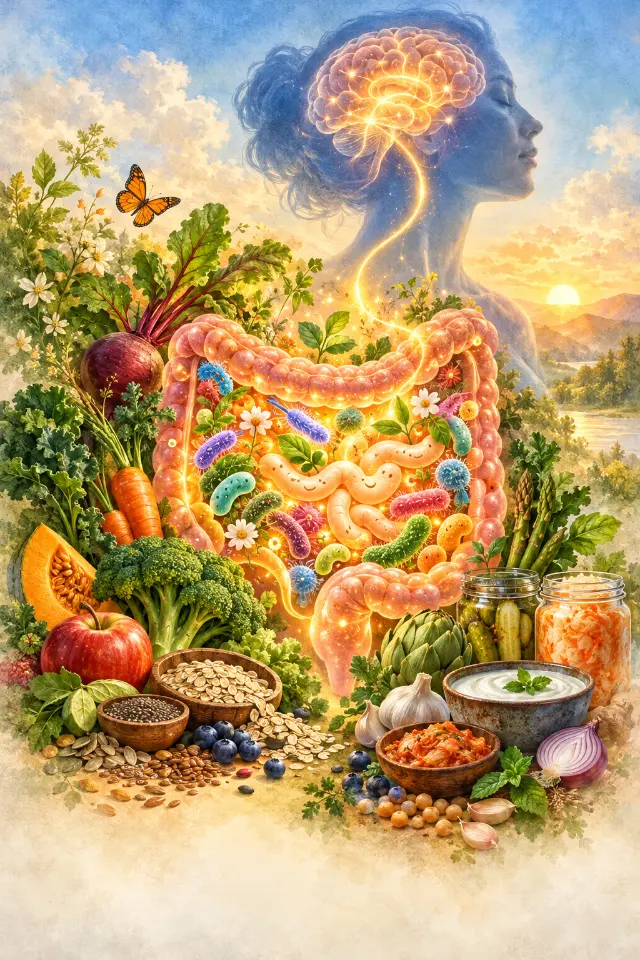
For a long time, the gut was considered a simple organ responsible for digesting food and eliminating waste. Recent scientific discoveries have profoundly changed this view.
Today, researchers know that our digestive tract is home to a true living ecosystem made up of billions of microorganisms: bacteria, yeasts and other microorganisms that live alongside us at all times. This community is called the gut microbiota, sometimes referred to as the intestinal flora.
Although these organisms are invisible to the naked eye, they exert a considerable influence on our health. More and more specialists even consider the microbiota to be one of the major players in healthy aging.
This discovery is fascinating. Inside our gut lives a microbial population whose total weight can reach several kilograms. Every day, these microorganisms carry out work that is essential to our biological balance.
- They take part in digestion.
- They help produce certain vitamins.
- They influence the immune system.
- They take part in regulating inflammation.
- They communicate with the brain.
- They are even involved in certain mechanisms related to mood and behavior.
In reality, we do not live alone. We live in permanent cooperation with this immense microscopic world. When the microbiota is diverse and balanced, the body generally functions in good conditions. Conversely, when it becomes depleted or unbalanced, various disorders can gradually appear.
Aging naturally influences this ecosystem. Over the years, bacterial diversity sometimes tends to decline. Certain protective species become less abundant while others may take up more space. This phenomenon is not inevitable, but it partly explains why researchers today attach so much importance to the gut health of seniors.
- One of the most important functions of the microbiota concerns the immune system. A large part of our natural defenses is located in the digestive tract. The gut is, in a sense, a border between the outside world and our body. Every day, it must tell the difference between useful substances and those that could be harmful.
To accomplish this mission, the microbiota plays a fundamental role. It helps train the immune system and contributes to maintaining its balance. When this cooperation works properly, the natural defenses become more effective and better regulated. Conversely, a disrupted microbiota can promote certain immune and inflammatory imbalances.
Researchers often speak of the gut-brain axis. For a long time, the brain was considered the sole command center of the body. We now know that it maintains a permanent dialogue with the gut. Signals constantly travel between these two organs. The brain influences digestion. The gut, in turn, influences certain nervous functions.
This communication explains why periods of stress can disrupt bowel movements. It also helps explain why the state of the microbiota seems to be associated with certain aspects of emotional and cognitive balance. Even though research is ongoing, one thing appears clear: taking care of your gut also means taking care of your brain.
- The microbiota also plays an important role in regulating chronic inflammation. As we saw in the previous chapter, low-grade inflammation is one of the silent drivers of aging. A diverse microbiota helps maintain a more stable intestinal environment and takes part in several protective mechanisms. When this balance is disrupted, certain inflammatory mechanisms may be promoted.
- The modern diet strongly influences this situation. Diets rich in ultra-processed foods and refined sugars and low in fiber can gradually deplete bacterial diversity. Yet good bacteria need to be fed. Their favorite food consists mainly of plant fiber: vegetables, fruits, legumes, seeds, nuts, and whole grains when they are well tolerated.
These foods provide the substances the microbiota needs to thrive. When they ferment in the gut, these fibers allow the production of beneficial compounds that contribute to the health of the intestinal lining and to the overall balance of the body.
Legumes hold a particularly interesting place. Lentils, chickpeas, beans and fava beans provide fiber, protein and various protective nutrients all at once. They are one of the pillars of many traditional diets associated with good longevity.
Fermented foods can also help enrich the intestinal environment. Among them are, in particular: lacto-fermented vegetables; certain yogurts, when their consumption is compatible with the individual nutritional context; and certain traditional fermented foods. These products naturally provide microorganisms that can contribute to microbial diversity.
- Repeated use of antibiotics also deserves particular consideration. Antibiotics are precious medicines that have saved millions of lives. However, when they are used, they can also temporarily alter the balance of the microbiota. This obviously does not mean they should be avoided when they are necessary, but simply that judicious use is preferable.
- Physical activity also influences gut health. People who move regularly often have a more diverse microbiota than those who remain very sedentary. Once again, movement shows that it acts far beyond the muscles alone.
- Sleep and stress management also contribute to this complex balance. The body functions as an interconnected whole.
When sleep deteriorates, when stress becomes chronic or when the diet becomes poorer, the repercussions can gradually reach the microbiota. Conversely, when several favorable habits come together, they reinforce one another.
This global view fits perfectly with the Family Clinic approach. Gut health does not come down to a dietary supplement or a particular bacterium. It results above all from a coherent lifestyle built day after day.
The microbiota reminds us of an essential truth: we are the product of multiple interactions between our environment, our diet, our habits and our biology.
By taking care of the billions of microscopic allies that live within us, we indirectly help protect our immunity, our brain, our metabolism and our longevity.
Healthy aging sometimes begins with an invisible world that we all carry inside us.
Family Clinic advice
Feed your microbiota the way you would tend a garden. The more vegetables, fruits, legumes and varied natural foods you give it, the richer and more diverse it becomes. This inner biodiversity is one of the most discreet yet most important foundations of harmonious aging.