
Foreword
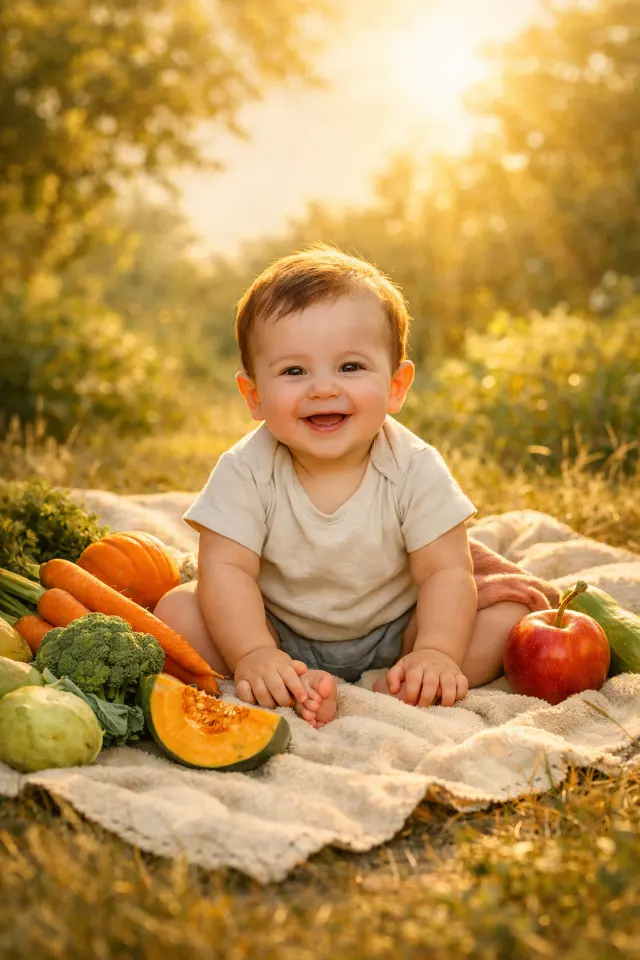
At the beginning of life, every breath is a promise, every glance a discovery. The infant, fragile and radiant, opens to the world through the first language received: that of food.
Hypotoxic nutrition is not only a science; it is a caress for the growing body, gentle protection for the awakening intestine and a light toward the future.
It invites us to choose pure, simple, local foods, respect the natural stages of introducing foods and offer flavors that awaken without overwhelming.
In the colors of vegetables, the fluidity of water and the tenderness of first meals, an education in love takes shape: teaching infants to taste, chew and grow in harmony.
Every plate thus becomes a small work of art, every meal a silent poem in which health is built and life celebrates its momentum.
Principles of hypotoxic nutrition
Hypotoxic nutrition rests on a simple idea: lighten the body's burden to release vitality. For infants, it means favoring natural, unprocessed foods, without gluten or dairy products, and respecting the digestive rhythm specific to each age.
This approach promotes intestinal tolerance, harmonious growth and prevention of early inflammatory disorders.
Basic principles:
- Introduce foods one at a time.
- Avoid complex mixtures before 12 months.
- Prefer gentle cooking and smooth textures.
- Observe digestive and skin reactions.
Key stages of infant feeding
Introducing food should follow the baby's biological rhythm, respecting the maturity of the digestive and immune systems. Every stage is a discovery: from breast milk to first purées, then more varied textures. The aim is to support tolerance and curiosity about flavors without overwhelming the body.
Essential milestones:
- From 0 to 6 months: exclusive breastfeeding, or appropriate infant formula.
- From 6 to 8 months: gradual introduction of mild vegetables and cooked fruits.
- From 8 to 12 months: wider food variety, thicker textures and plant proteins.
- After 12 months: adapted family meals, without gluten or industrial dairy products
Every spoonful is a step toward independence.
Food becomes a language between the body and nature.
Foods to avoid
Some foods can disrupt an infant's fragile balance and cause harmful reactions.
Identifying them is essential to preserve digestive and immune health.
To avoid absolutely:
- Dairy products: cow's milk, yogurts and cheeses.
- Gluten: bread, biscuits and wheat-based cereals.
- Refined sugars: sweets, cakes and sodas.
- Ultra-processed foods: industrial ready meals and charcuterie.
- Dried fruit and nuts: choking risk.
Set aside the unnecessary to protect the essential.
Every food choice is a promise of kindness.
The first balanced meals
An infant's first meals are a key stage: they mark the transition from milk to the discovery of flavors. Balance is built around simplicity: fresh foods, gentle cooking and natural combinations respecting digestive physiology.
Basic principles:
- Introduce foods one at a time, observing tolerance.
- Favor root vegetables and cooked fruits.
- Avoid salt, sugar and complex mixtures.
- Favor smooth, lukewarm textures.
- Serve meals in a calm, caring atmosphere.
Examples of balanced meals:
- Sweet potato and carrot purée.
- Apple and pear compote.
- Quinoa and zucchini cream.
Light green vegetable soup.
Balance arises from gentleness and respect for rhythm.
Every meal is an encounter between nature and growth.
Water and suitable drinks
Water is the infant's first vital food after milk. It contributes to temperature regulation, digestion and toxin elimination. Choosing pure, age-appropriate water is essential to preserve mineral balance.
Principles to respect:
- Use low-mineral water suitable for infants.
- Avoid sparkling waters and waters rich in sodium.
- Never sweeten water or add syrups.
- Offer small amounts between meals, according to thirst.
- In hot weather or with fever, increase intake slightly.
Drinks to avoid:
- Industrial fruit juices.
- Cow's milk or milk-based drinks.
- Sodas and sweetened drinks.
- Herbal infusions unsuitable for babies.
Pure water is the first gesture of kindness.
It connects nature to the body with complete simplicity.
The textures and colors of the plate
An infant's awakening to food also involves the senses: sight, touch, smell and taste.
Varying textures and colors stimulates curiosity and strengthens acceptance of healthy foods.
Principles to follow:
- Introduce textures gradually: smooth, finely blended, then mashed.
- Combine natural colors: orange carrots, green zucchini, yellow corn and red apples.
- Avoid colorings and artificial presentation.
- Serve meals in light-colored bowls to highlight natural shades.
- Let children explore with their fingers: this is a stage of sensory learning.
Examples of colorful plates:
- Sweet potato and broccoli purée.
- Apple and strawberry compote.
- Zucchini and quinoa cream.
- Mashed carrot and chickpeas.
Color nourishes the eye before nourishing the body.
Every shade is a promise of vitality.
Learning to taste and chew
Eating is a sensory and emotional act. Infants learn to recognize flavors, chew and savor.
Every mouthful is a discovery preparing them for independent eating.
Principles to respect:
- Introduce tender pieces as soon as children can sit well.
- Let babies touch, smell and taste at their own pace.
- Offer varied foods: cooked vegetables, ripe fruit and gentle grains.
- Avoid pressure: trust and curiosity guide learning.
- Encourage slow chewing for harmonious digestion.
Examples of learning meals:
- Small pieces of steamed carrot and soft apple.
- Quinoa and zucchini balls.
- Thick sweet potato and chickpea purée.
- Lukewarm compote of local fruit.
Taste is educated through tenderness and patience.
Every meal is an encounter between nature and trust.
Conclusion
This booklet sought to offer parents and caregivers a simple, protective path: hypotoxic nutrition respectful of the infant's natural rhythm and developing microbiota.
By favoring local flavors, gentle textures and acts of passing on knowledge, we lay the foundations of lasting health, rooted in trust and the light of everyday life.
Nutrition for young children is more than a biological act: it is a language of love, a cultural inheritance and a promise of vitality.
Every meal thus becomes an encounter between science and tradition, care and tenderness.
And in the smile of a satisfied child, life itself celebrates healing, peace and hope.