
Foreword
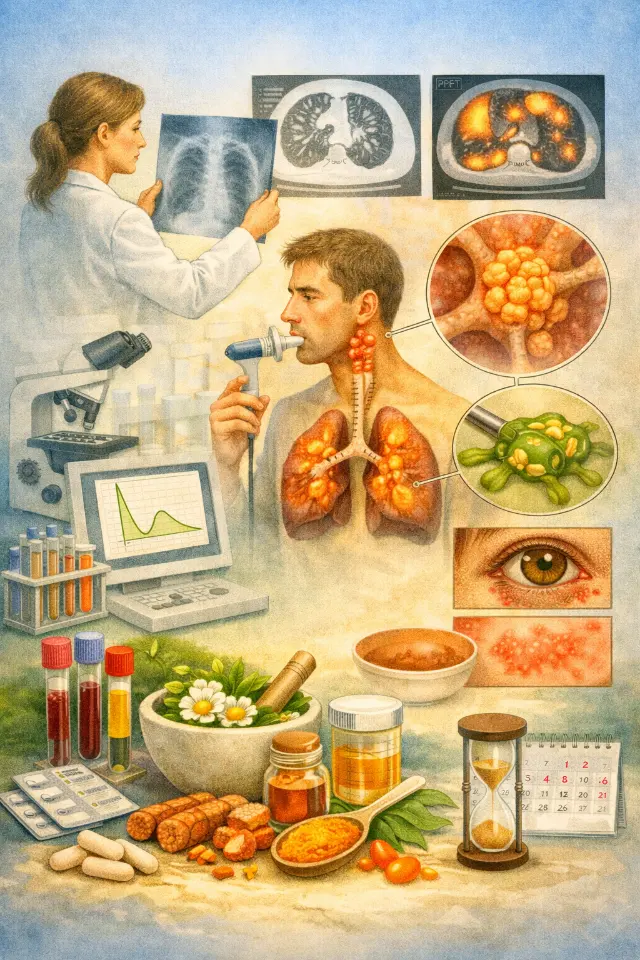
Sarcoidosis is a systemic inflammatory disease that remains too little known, causing worry and questions among patients and their families. It manifests through granuloma formation in various organs, mainly the lungs and lymph nodes, but can also affect skin, eyes, or other tissues. Its course is unpredictable: sometimes benign and spontaneously resolving, sometimes chronic and disabling. In this context, information and support become essential to help patients better understand their disease and participate actively in its management.
Among these possibilities, the hypotoxic diet has a particular place. Inspired by Dr. Seignalet's work and adapted to the Moroccan context by Family Clinic, it relies on a diet without gluten or casein, favoring gentle cooking and natural products. Although it is not a curative treatment, it can contribute to reducing inflammation and supporting immune balance.
This booklet also addresses contributions from naturopathy and micronutrition, which propose supplements such as turmeric, propolis, omega-3s, or antioxidants. When medically supervised, these approaches can improve patient comfort and support the body against chronic inflammation. However, it is essential to remember that they do not replace conventional treatments and must be used cautiously.
Our approach is primarily educational and humanistic. We wish to offer patients with sarcoidosis practical tools: clear explanations, suitable nutritional advice, accessible hypotoxic recipes, and accounts that provide hope and motivation. We also wish to raise healthcare professionals' awareness of the importance of comprehensive care, in which conventional medicine and complementary practices can come together for patients' benefit.
This booklet is therefore an invitation to knowledge, empowerment, and openness. It does not claim to provide every answer but offers reliable guidance and concrete possibilities for living better with sarcoidosis. By combining science, nutrition, and education, Family Clinic continues its mission: support patients on their health journey with rigor, clarity, and kindness.
General introduction to sarcoidosis
Sarcoidosis is a rare systemic inflammatory disease characterized by formation of granulomas, small masses of immune cells accumulating in various organs. It mainly affects the lungs and lymph nodes but can also involve skin, eyes, liver, heart, or the nervous system. Its clinical presentation varies greatly: some patients remain asymptomatic, while others develop disabling chronic forms. This diversity makes the disease complex to diagnose and treat.
Discovered in the nineteenth century by dermatologists observing distinctive skin lesions, sarcoidosis was gradually recognized as a systemic condition. Today, it is considered an immune disorder in which the body's defense system becomes overactive and produces an excessive inflammatory response. The exact causes remain unknown, but several factors are suspected: genetic predisposition, environmental exposure (dust, infectious agents), and immune dysregulation. This uncertainty contributes to the scientific and medical interest the disease attracts.
Epidemiologically, sarcoidosis is observed worldwide, with variations across regions and populations. It is more common in Northern Europe and African American populations but also occurs in Mediterranean countries, including Morocco. Onset is generally between ages 20 and 40, with slight female predominance. Although rare, its public health impact is significant because it can cause respiratory disability, chronic fatigue, and multisystem complications.
The disease often manifests through lung involvement detected on a chest X-ray showing mediastinal lymphadenopathy or pulmonary infiltrates. But it can also present through skin symptoms (nodules, plaques), eye symptoms (uveitis), or general symptoms (fever, weight loss, fatigue). This clinical diversity explains why sarcoidosis is sometimes diagnosed late, after multiple investigations. Diagnosis relies on a combination of evidence: imaging, laboratory findings, and above all biopsy showing noncaseating granulomas.
The course of sarcoidosis is unpredictable. In approximately two-thirds of cases, it regresses spontaneously or remains benign. In one-third, it becomes chronic, requiring prolonged treatment and close monitoring. Respiratory, cardiac, or neurological complications can durably impair quality of life. This uncertainty creates understandable anxiety in patients seeking ways to better understand and manage their disease.
In this context, information and education play a central role. Patients must be at the center of their care, supported by a multidisciplinary team and suitable educational tools. This sarcoidosis booklet from Éditions Family Clinic follows that approach: offer a clear, accessible, complete overview explaining the disease, its treatments, and complementary possibilities such as the hypotoxic diet and micronutrition. The objective is to give patients the means to participate actively in their health by combining conventional medicine with natural approaches.
Thus, this introduction lays the foundations: sarcoidosis is a complex disease, rare but significant, whose understanding requires a comprehensive approach.
Simplified pathophysiology
Sarcoidosis is a systemic inflammatory disease whose mechanism relies on granuloma formation. These granulomas are clusters of immune cells, mainly macrophages and T lymphocytes, organizing into compact structures in tissues. Unlike those observed in tuberculosis, sarcoidosis granulomas are described as ‘noncaseating,’ meaning they lack central necrosis. Their presence disrupts normal organ functioning and explains the diversity of symptoms.
The pathophysiological process begins with abnormal immune system activation. Antigens, still poorly identified, stimulate CD4+ T lymphocytes, which secrete pro-inflammatory cytokines (interleukin-2, interferon-γ, TNF-α). These signals attract and activate macrophages, which become epithelioid cells and sometimes fuse into multinucleated giant cells. Together, these form the granuloma, a true histological marker of the disease. This immune reaction, intended to protect the body, becomes excessive and chronic, causing persistent inflammation.
Triggers remain uncertain. Several hypotheses are proposed: exposure to infectious agents (mycobacteria, propionibacteria), inhalation of dust or organic particles, or environmental disturbances. Genetic predisposition also plays a role, with certain HLA complex genes associated with increased susceptibility. The combination of these elements may explain why the disease develops in some individuals and not others.
Granulomas can develop in many organs. The lungs are affected most frequently, with inflammation of the alveoli and mediastinal lymph nodes. This lung involvement manifests through chronic cough, breathlessness, and sometimes progressive fibrosis. Lymph nodes are often enlarged, visible on chest imaging. Skin can show nodules or plaques, while eyes can develop uveitis, a source of pain and visual disturbances. In some cases, the heart or nervous system is involved, causing serious complications.
Gastrointestinal sarcoidosis is exceptional (less than 1% of cases), mainly affecting the stomach, sometimes the intestine, liver, or pancreas; it manifests through abdominal pain, persistent vomiting, dyspepsia, chronic diarrhea, weight loss, or pyloric stenosis, with often misleading signs suggesting Crohn's disease; diagnosis relies on endoscopy and above all biopsy showing noncaseating granulomas, and treatment is dominated by corticosteroid therapy, which generally produces rapid symptom improvement.
Disease progression depends on the balance between the immune reaction and the body's capacity to resolve granulomas. In many cases, granulomas disappear spontaneously, reflecting natural regulation of inflammation. But in others, they persist and organize, causing irreversible fibrosis. This duality explains clinical variability: benign, transient forms in some patients and chronic, disabling forms in others.
Understanding pathophysiology also illuminates the interest in nutritional and hypotoxic approaches. By reducing intestinal permeability and limiting exposure to certain dietary antigens, the hypotoxic diet could decrease excessive immune stimulation. Similarly, antioxidant and omega-3 intake aims to modulate cytokine production and limit damage related to oxidative stress.
Clinical manifestations and diagnosis
Sarcoidosis is a disease with many faces. Its clinical manifestations vary considerably between patients, from asymptomatic forms discovered incidentally to severe, disabling involvement. This diversity explains diagnostic complexity and the need for a multidisciplinary approach.
Clinical manifestations
- Chronic fatigue is one of the most frequent symptoms, often described as intense and disproportionate to exertion. It sometimes comes with moderate fever, night sweats, and unexplained weight loss.
- Lung involvement is most common: persistent cough, exertional breathlessness, and chest tightness. Imaging shows bilateral hilar lymphadenopathy or pulmonary infiltrates. In progressive forms, pulmonary fibrosis can develop, causing respiratory failure.
- Lymph nodes are often enlarged, palpable in the neck or visible on chest X-ray.
- Skin can show varied lesions: nodules, infiltrated plaques, and lupus pernio (purplish facial lesions). These skin signs sometimes reveal the disease.
- Eyes are affected in approximately 25% of cases, with uveitis causing pain, redness, and reduced vision. Without treatment, this involvement can lead to serious complications.
- Other organs may be involved: the heart (arrhythmias, heart failure), digestive tract, liver, spleen, and nervous system (cranial nerve involvement, chronic meningitis). This multisystem involvement makes sarcoidosis unpredictable and sometimes difficult to manage.
Diagnosis
Diagnosis relies on a combination of evidence.
- Chest X-ray is often the first-line investigation, revealing characteristic mediastinal lymphadenopathy. Chest CT clarifies the extent of lung involvement and presence of fibrosis.
- Biopsy is the key investigation: it identifies noncaseating epithelioid and giant-cell granulomas, a distinctive histological sign of sarcoidosis. Samples can be taken from lymph nodes, skin, lungs, or other affected organs.
- Laboratory tests sometimes show elevated angiotensin-converting enzyme (ACE), an indirect marker of granulomatous activity. Hypercalcemia is also possible, linked to increased vitamin D production by macrophages in granulomas.
Differential diagnosis must exclude other granulomatous diseases, particularly tuberculosis, certain fungal infections, or lymphomas. This step is crucial to prevent treatment errors.
Importance of monitoring
Once diagnosis is established, medical monitoring must be regular. Because sarcoidosis progresses unpredictably, monitoring respiratory function, general condition, and at-risk organs is essential. Patients must be informed of warning signs (breathlessness, visual disturbances, palpitations) and receive multidisciplinary support.
Conventional medical management
Sarcoidosis is a disease with an unpredictable course: it can regress spontaneously, remain benign, or progress to a severe chronic form. Faced with this uncertainty, medical management relies on conventional treatments intended to control inflammation, prevent complications, and improve patients' quality of life.
Corticosteroids
Corticosteroids are the reference treatment. Prednisone is most often prescribed at doses adapted to the severity of involvement. Their powerful anti-inflammatory action rapidly reduces respiratory, skin, or eye symptoms and limits granuloma progression. However, prolonged use exposes patients to side effects: weight gain, hypertension, diabetes, osteoporosis, and skin fragility. This is why doctors always seek the lowest effective dose and gradually reduce treatment when possible.
Immunosuppressants
In resistant forms or when corticosteroids are poorly tolerated, immunosuppressants may be prescribed. Methotrexate, azathioprine, or mycophenolate mofetil are used to control immune activity. These medications reduce corticosteroid dosage and limit adverse effects. Their use requires regular monitoring (blood tests, liver and kidney monitoring) to prevent infectious or toxic complications.
Biological therapies
In severe cases, particularly refractory lung or heart involvement, biological therapies such as anti-TNF agents (infliximab, adalimumab) may be considered. They specifically target certain cytokines involved in granuloma formation. Although promising, these therapies remain reserved for serious forms and require specialist expertise.
Medical monitoring
Sarcoidosis management goes beyond medications. It involves regular monitoring: clinical examinations, X-rays, respiratory tests, and laboratory assessments. The aim is to monitor disease progression, adapt treatment, and detect complications early. Patients must be informed of warning signs (breathlessness, visual disturbances, palpitations) and encouraged to consult promptly if new symptoms occur.
Multidisciplinary approach
The diversity of involvement justifies a multidisciplinary approach. Pulmonologists, dermatologists, ophthalmologists, cardiologists, and neurologists may be involved depending on affected organs. The general practitioner's role is central in coordinating care and ensuring comprehensive monitoring.
Place of complementary approaches
Although conventional treatments remain essential, some patients seek to combine them with complementary approaches such as the hypotoxic diet or micronutrition. These practices do not replace medications but can help improve comfort and quality of life. They must be incorporated under medical supervision to avoid interactions and ensure patient safety.
Contribution of the hypotoxic diet
The hypotoxic diet, inspired by Dr. Jean Seignalet's work and adapted by Family Clinic to the Moroccan context, relies on a diet intended to reduce chronic inflammation and support immune balance. In sarcoidosis, where immunity becomes overactive and produces persistent granulomas, this nutritional approach can be an interesting complementary tool.
Principles of the diet
The hypotoxic diet excludes gluten (wheat, rye, barley), casein (the protein in cow's milk and its derivatives), and harsh high-temperature cooking methods. It favors natural foods, gentle cooking (steaming, simmering), quality plant oils, and fresh products. The objective is to limit intestinal permeability and reduce excessive immune stimulation.
Objectives in sarcoidosis
- Reduced inflammation: decreasing exposure to certain dietary antigens limits pro-inflammatory cytokine production.
- Improved fatigue: a more easily digested, balanced diet can support everyday energy.
- Immune support: antioxidant and omega-3 intake helps modulate the immune response.
- Quality of life: some patients report better digestive tolerance, less pain, and stabilization of skin or respiratory symptoms.
Limitations and precautions
It is essential to remember that the hypotoxic diet does not cure sarcoidosis. It acts as a complement intended to improve comfort and reduce inflammation. Adoption must be gradual and accompanied by medical and nutritional monitoring.
Adaptation to the Moroccan context
Family Clinic has adapted the hypotoxic diet to local realities:
- Use of legumes (chickpeas, lentils, beans) as protein sources.
- Recipes based on quinoa, sweet potato, zucchini, carrot, and beet, readily available in markets.
- Hypotoxic desserts without gluten or milk, made with chickpea or coconut flour, fresh fruit, and mild vegetables.
- Natural seasonings: olive oil, lemon, cumin, coriander, ginger, mint.
Conclusion: The hypotoxic diet represents a complementary nutritional possibility in managing sarcoidosis. By reducing inflammation and improving quality of life, it fits a comprehensive approach combining conventional medicine with natural practices. Its incorporation must be personalized, adapted to cultural habits, and medically supervised.
Naturopathy and micronutrition
Sarcoidosis, a systemic inflammatory disease, attracts growing interest in complementary approaches. Although conventional treatments remain essential, naturopathy and micronutrition offer possibilities intended to reduce inflammation, support immunity, and improve patients' quality of life. These practices do not claim to cure the disease but can support patients on their health journey.
Herbal medicine
Certain plants are used for their anti-inflammatory and antioxidant properties.
- Turmeric (Curcuma longa): rich in curcumin, it acts on pro-inflammatory cytokines and helps calm immune reactions.
- Chamomile (Matricaria recutita): its flavonoids inhibit certain arachidonic acid pathways, thereby reducing inflammation.
- Local plants such as aloe or certain bitter leaves are sometimes incorporated into traditional practices, with soothing effects reported by patients.
Apitherapy
Bee products are also highlighted:
- Propolis: known for antimicrobial and immunomodulatory properties.
- Royal jelly: a natural tonic supporting energy and the body's resistance.
These products are used as supplements, particularly to strengthen defenses and improve general comfort.
Micronutrition
Micronutrition considers specific intake of vitamins, minerals, and essential fatty acids.
- Vitamin D: its metabolism is disturbed in sarcoidosis, requiring strict medical monitoring to avoid hypercalcemia.
- Antioxidants (vitamins C and E, zinc, selenium): aim to limit oxidative stress induced by chronic inflammation.
- Omega-3s: present in fish, flaxseed, or rapeseed oils, they help reduce inflammatory activity and protect tissues.
Reported benefits
Patients often describe improved symptoms and a degree of general comfort. Although variable and not systematic, these observations show that natural approaches can play a supportive role.
Limitations and precautions
It is essential to remember that these practices do not replace conventional treatments. Scientific evidence remains limited, and certain plants or supplements can interact with medications. Medical monitoring is therefore indispensable.
Conclusion: Naturopathy and micronutrition offer complementary tools to support patients with sarcoidosis. By reducing inflammation, strengthening immunity, and improving quality of life, they fit an integrative approach. Their use must be personalized, adapted to the cultural and nutritional context, and medically supervised.
Practical advice for patients
Living with sarcoidosis means navigating a chronic disease with an uncertain course. Beyond medical treatments, adopting practical everyday measures can help improve quality of life, reduce fatigue, and support immune balance. This advice, centered on diet, lifestyle, and medical monitoring, aims to support patients in an active, responsible approach.
A suitable hypotoxic diet
- Favor natural foods: fresh fruit, varied vegetables, legumes, seeds, and plant oils.
- Avoid gluten and casein: replace bread and dairy products with local alternatives (chickpea flour, coconut milk, plant drinks).
- Favor gentle cooking: steaming, simmering, cooking in a parcel, to preserve nutrients and limit glycation products.
- Include anti-inflammatory seasonings: olive oil, lemon, cumin, coriander, ginger, mint.
Lifestyle
- Regular rest: respect sleep patterns and schedule breaks during the day.
- Gentle physical activity: walking, yoga, mindful breathing, to maintain mobility and reduce stress.
- Stress management: relaxation, meditation, psychological support if needed.
- Hydration: drink enough water to support metabolic functions and limit mucosal dryness.
Medical monitoring
- Regular consultations: pulmonologist, ophthalmologist, dermatologist, depending on affected organs.
- Monitoring investigations: X-rays, respiratory tests, blood tests.
- Attention to warning signs: breathlessness, visual disturbances, palpitations, unusual pain.
Psychological and social support
- Patient groups: share experiences and advice.
- Family support: inform loved ones to encourage understanding and support.
- Therapeutic education: learn to recognize symptoms and adapt lifestyle.
Practical conclusion: The proposed advice aims to give patients concrete tools for living better with sarcoidosis. Hypotoxic nutrition, balanced lifestyle, and regular medical monitoring form an essential trio. By adopting these measures, patients play an active role in their health, strengthening independence and confidence in managing the disease.
Conclusion
Sarcoidosis is a complex, unpredictable disease, often puzzling for patients and caregivers alike. It illustrates the fragility of immune balance and the difficulty of understanding every interaction between genetics, environment, and diet.
Throughout these chapters, we have shown that sarcoidosis management relies above all on conventional treatments: corticosteroids, immunosuppressants, and, in some cases, biological therapies. These medications remain essential for controlling inflammation and preventing serious complications. But we have also highlighted the value of an integrative approach in which patients play an active role in their health through practical, natural measures.
The hypotoxic diet, adapted to the Moroccan context, is a promising nutritional possibility. By reducing exposure to gluten and casein and favoring gentle cooking and natural foods, it can help calm inflammation and improve quality of life. The proposed recipes, simple and accessible, allow patients to adopt this approach without overturning cultural habits.
Naturopathy and micronutrition also offer complementary tools: herbal medicine, apitherapy, gemmotherapy, omega-3 intake, and antioxidants. When medically supervised, these practices can strengthen energy, support immunity, and reduce oxidative stress. They do not replace conventional treatments but enrich the range of available means for supporting patients.
Beyond medical and nutritional aspects, this booklet emphasizes therapeutic education and psychological support. Sarcoidosis causes fatigue, anxiety, and sometimes isolation. Informing, reassuring, and supporting patients is essential to help them live better with the disease. The accounts, practical advice, and educational appendices proposed in this document aim to strengthen patients' independence and confidence.
The conclusion of this work is clear: sarcoidosis cannot be approached solely through medications. It requires comprehensive care incorporating conventional medicine, nutrition, natural practices, and human support. This complementarity holds the hope of better quality of life for patients.
Our vision follows this approach: offer educational tools adapted to the local context so every patient can play an active role in their health. This booklet is another step in that mission and seeks to be a companion along the way, scientific, practical, and human.
By combining medical rigor, openness to complementary approaches, and respect for cultural realities, we hope to contribute to more harmonious, effective care for sarcoidosis. This work is dedicated to patients, their families, and caregivers, with a message of hope: it is possible to live better with sarcoidosis through knowledge, support, and shared commitment.